
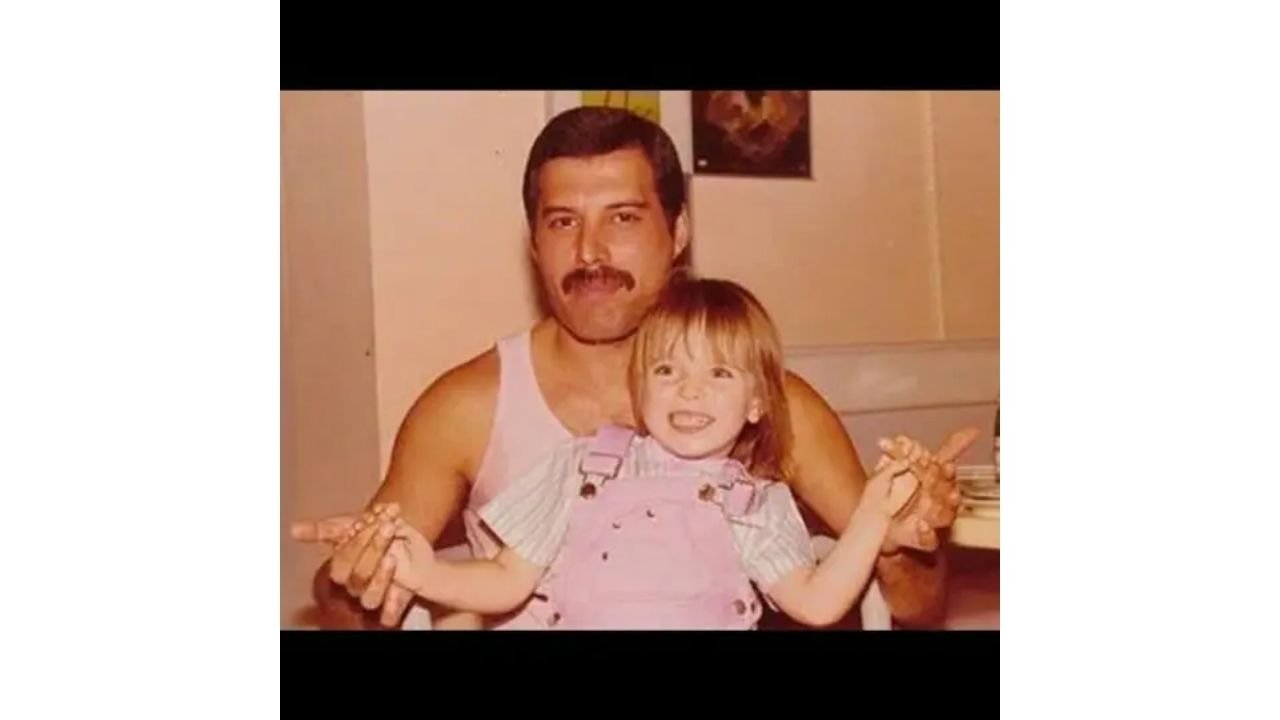
A woman known publicly as B or Bibi claimed to be Freddie Mercury’s daughter, but the claim remains disputed. Her story appeared in Lesley-Ann Jones’s 2025 biography Love, Freddie. Reports in January 2026 said the woman had died, while Mercury’s close friend Mary Austin had questioned the account.
Who Was Bibi?
Bibi was the name later used in coverage of the woman initially identified only as B. The use of an initial was part of how the story first became public.
She said Mercury was her biological father and described a private relationship with him. Those assertions form the basis of the daughter story.
Her full public identity was not established in the same way as a conventional celebrity biography. That limitation is relevant when separating reported claims from independently available evidence.
The correct description is therefore a woman who claimed to be his daughter, rather than an undisputedly established child. The distinction should remain clear even when a headline uses shorter wording.
The 2025 Biography
Love, Freddie: Freddie Mercury’s Secret Life and Love was published in 2025. Author Lesley-Ann Jones presented B’s account as revealing an unknown part of Mercury’s life.
The story alleged that the child resulted from a relationship with a friend’s wife in 1976. It also described a continuing connection between Mercury and the woman while she was growing up.
These are claims made within the book and related publicity. Repeating them accurately requires preserving that attribution rather than turning the narrative into an agreed family history.
The book attracted attention because it challenged the long-established public understanding of Mercury’s personal life. The scale of the claim also prompted questions about verification.
The Alleged Diaries
The account referred to 17 handwritten diaries said to have been entrusted to B. They were presented as a source for understanding the singer’s private experiences.
The existence, provenance and interpretation of those materials are part of the disputed story. A description of documents in a biography is not the same as public access to them.
Readers cannot independently evaluate every claim merely because a book says supporting material exists. That does not by itself disprove the account, but it limits what can be stated confidently.
The daughter claim should therefore not be strengthened with invented details about what the diaries contain. Only the specific assertions reported by the author can be described as such.
Mary Austin’s Response
Mary Austin said she had not known of a daughter or the diaries described in the story. Her response challenged an important part of the account.
Austin was Mercury’s former partner and a close friend who remained central to his life. The biography’s suggestion that his inner circle knew about the child made her response particularly relevant.
She expressed disbelief that such an important event could have been kept from her. Her position should be included alongside the book’s claims rather than omitted from a family profile.
Her scepticism is not itself a DNA result. It is a significant firsthand response from someone close to Mercury, and it helps explain why the story remains contested.
What About DNA?
Reporting on the dispute included statements from the author about verification and legal involvement. The supporting measures were described as private.
No independently assessable DNA result was established in the material reviewed here. It would therefore be inaccurate to claim that this article has verified biological parentage.
Equally, the absence of publicly shared documentation should not be presented as a conclusive scientific disproof. The available evidence supports uncertainty rather than an invented test result in either direction.
The distinction is simple: reporting that an author says checks occurred is different from examining those checks. Both the claim and the limit need to remain visible.
The January 2026 Reports
In January 2026, news outlets reported that Bibi had died at 48. Coverage cited a statement attributed to her husband, Thomas.
The reports described a long illness and said she left two sons. Those details were supplied within the same reporting about the woman behind the disputed claim.
Her reported death did not independently resolve the question of parentage. A later event in a claimant’s life does not verify every earlier assertion.
For that reason, the accurate wording remains that the woman who claimed to be Mercury’s daughter reportedly died. Describing the death as proof of the daughter story would go beyond the evidence.
What Is Established?
Mercury died in 1991. The claims about B were made public decades later, creating a dispute that cannot be settled by a new response from the singer himself.
The established public developments are the biography, the woman’s reported statements, Austin’s scepticism and the January death reports. They should be distinguished from proven biological identity.
The safest factual answer is that the Freddie Mercury daughter story is a disputed claim about Bibi. A responsible account can explain the story without presenting uncertainty as a confirmed family relationship.