
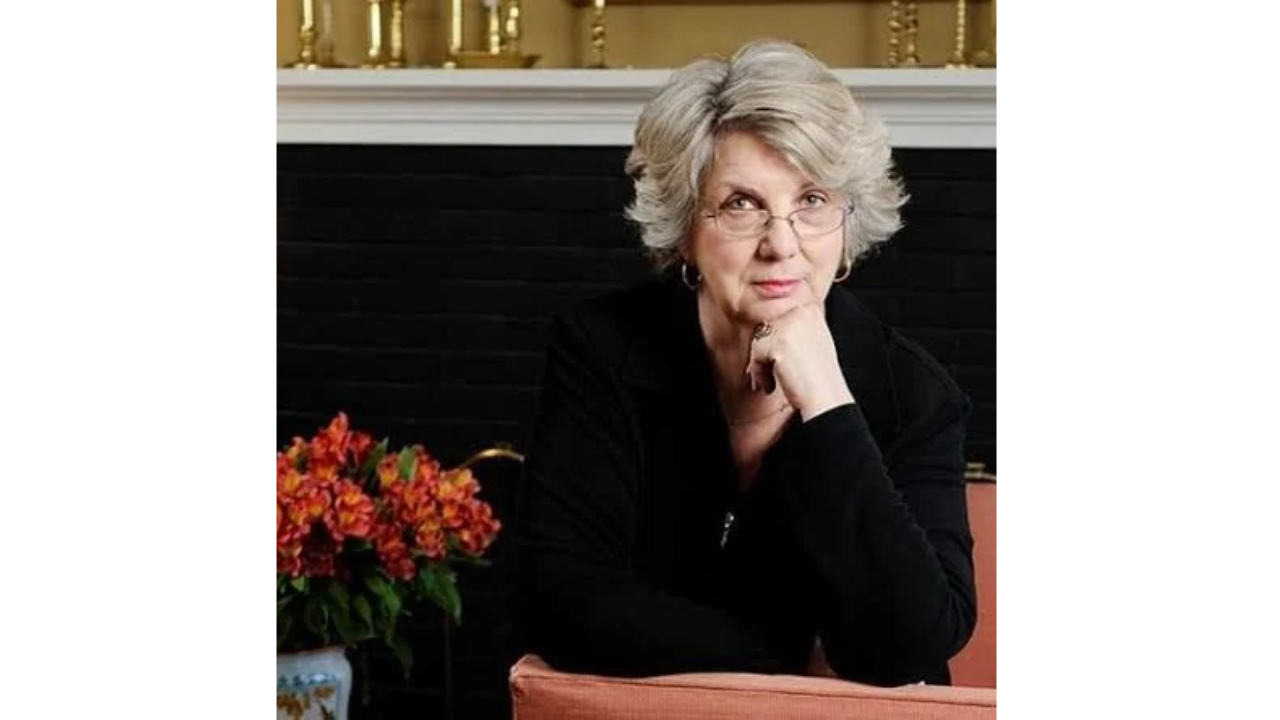
Dr. Marsha M. Linehan, the influential American psychologist who developed Dialectical Behavior Therapy (DBT), died on November 10, 2026, at the age of 83, according to tributes shared by members of the mental health community. Her reported death in Seattle, Washington, marks the loss of a pioneering researcher whose work transformed treatment for people experiencing suicidal crises, severe emotional distress, and borderline personality disorder.
Linehan spent decades developing practical psychological treatments that combined scientific research with compassion. Her personal experiences with psychiatric illness also shaped her commitment to helping others build meaningful lives.
Marsha Linehan’s Death
Marsha Linehan reportedly passed away on Tuesday, November 10, 2026, in Seattle, where she had spent much of her academic and professional career.
Accounts circulated by colleagues in the Dialectical Behavior Therapy community indicate that she was admitted to UW Medical Center on October 31, 2026, after developing pneumonia.
According to those accounts, her condition later required a transition to comfort-focused care.
She reportedly died peacefully with her daughter nearby while Gregorian chant music played.
These intimate details have been shared through community tributes, although not every aspect has been independently confirmed through an official family statement.
Who Was Marsha Linehan?
Marsha M. Linehan was an American clinical psychologist, researcher, author, and professor best known for creating Dialectical Behavior Therapy.
Born on May 5, 1943, in Tulsa, Oklahoma, she was the daughter of Marston and Ella Marie Linehan.
Her contributions to psychology centered on understanding intense emotional suffering and developing treatments for individuals who had previously experienced limited success with conventional approaches.
She became particularly influential in the treatment of borderline personality disorder, a condition that can involve difficulties with emotional regulation, relationships, and self-image.
Her research challenged longstanding assumptions about patients experiencing repeated suicidal crises and self-harming behavior.
Rather than viewing these individuals as unwilling to improve, Linehan emphasized the importance of teaching practical skills within a supportive therapeutic relationship.
Her Early Struggles
Linehan’s understanding of psychological suffering was deeply personal.
At age 17, she was admitted to the Institute of Living, a psychiatric hospital in Hartford, Connecticut.
She remained hospitalized for more than two years while experiencing severe emotional distress.
Her treatment included periods of seclusion and electroconvulsive therapy, reflecting psychiatric practices used during that era.
Linehan later spoke publicly about her experiences with self-harm and the profound isolation she felt during hospitalization.
During this difficult period, she developed a determination to recover and eventually help others experiencing similar suffering.
That commitment became central to her later professional mission.
Education and Career
After leaving psychiatric care, Linehan gradually rebuilt her academic life.
She attended night classes before pursuing higher education and eventually earning a Ph.D. in psychology from Loyola University Chicago in 1971.
Her academic achievements marked a remarkable transition from a young psychiatric patient to a respected psychological researcher.
She later joined the University of Washington, where she spent much of her professional career.
At the university, she served as a professor of psychology and directed the Behavioral Research and Therapy Clinics.
Her research focused on developing and evaluating treatments for people experiencing serious behavioral and emotional difficulties.
Her work eventually became internationally influential.
Creating DBT
Linehan developed Dialectical Behavior Therapy to help individuals experiencing chronic suicidal thoughts, self-harming behaviors, and severe emotional dysregulation.
The treatment was initially developed for people with complex difficulties, including those diagnosed with borderline personality disorder.
DBT combined elements of cognitive-behavioral therapy with strategies emphasizing acceptance, mindfulness, and behavioral change.
One of its central ideas is that individuals can accept their current experiences while simultaneously working toward meaningful improvements.
This balance between acceptance and change distinguished DBT from many traditional therapeutic approaches.
The treatment also emphasized structured skills training, individual therapy, and support for clinicians working with high-risk patients.
Four Core Skills
Linehan’s approach became widely recognized for teaching four essential areas of psychological skills.
Mindfulness helps individuals observe thoughts, feelings, and experiences without immediately reacting to them.
Distress tolerance focuses on managing painful situations without making them worse through harmful or impulsive actions.
Emotion regulation teaches strategies for understanding emotional responses and reducing vulnerability to overwhelming feelings.
Interpersonal effectiveness addresses communication, boundaries, and maintaining relationships while respecting personal needs.
These skills became important components of DBT programs around the world.
They also made aspects of Linehan’s work accessible beyond specialist psychiatric settings.
A Research Breakthrough
A major turning point came in 1991, when Linehan published influential clinical research demonstrating the effectiveness of DBT for women experiencing chronic suicidal and self-harming behaviors.
The findings helped establish DBT as a serious evidence-based psychological intervention.
Further studies expanded understanding of its effectiveness and limitations.
Over time, DBT became a leading recommended treatment for borderline personality disorder.
Adapted versions have also been investigated for conditions including substance use disorders, eating disorders, depression, and post-traumatic stress disorder.
The strength of evidence varies depending on the condition and specific treatment program, but Linehan’s broader influence on psychological care is widely recognized.
Her Personal Revelation
In 2011, Linehan publicly disclosed her own history of severe psychiatric illness, bringing an unusually personal perspective to her professional achievements.
Her decision challenged stigma surrounding mental health conditions, particularly within healthcare professions.
She demonstrated that someone who had experienced profound psychological suffering could later become an influential scientist and clinician.
In 2020, she published her memoir, Building a Life Worth Living.
The book explored her personal recovery, spiritual experiences, academic development, and the creation of DBT.
Its title reflected a central principle of her therapeutic philosophy: treatment should help people create lives they consider meaningful, rather than focusing exclusively on symptom reduction.
Daughter and Family
Marsha Linehan is survived by her adopted daughter, Geraldine Rodriguez, also known as Geri, according to memorial accounts.
Her daughter was reportedly present during her final days.
Although Linehan discussed aspects of her personal experiences publicly, she generally kept much of her family life private.
Her professional community also included generations of students, researchers, therapists, and clinical supervisors who studied or practiced her treatment methods.
These individuals continue to carry forward her work through universities, hospitals, and mental health organizations.
Tributes and Legacy
Following reports of her death, members of the psychological and psychiatric communities shared tributes recognizing her contributions.
Organizations including the BPD Alliance highlighted her influence on treatment, research, and the lives of individuals affected by serious emotional distress.
Her work helped change how clinicians approach patients who experience repeated crises.
By combining scientific evaluation with practical skills and therapeutic validation, she offered a treatment model that continues to shape modern mental healthcare.
Formal memorial arrangements have not been fully detailed in the information available.
Remembering Marsha Linehan
Marsha Linehan’s reported death at age 83 closes an extraordinary chapter in the history of clinical psychology.
From her early hospitalization to her groundbreaking research at the University of Washington, her life reflected the possibility of recovery and meaningful achievement after severe psychological suffering.
Her greatest professional contribution, Dialectical Behavior Therapy, continues to influence mental health treatment internationally.
For those searching for the Marsha Linehan obituary, she will be remembered as the psychologist who transformed her understanding of emotional pain into a structured, research-supported approach to helping others.
Her enduring legacy is found in the clinicians she trained, the research she inspired, and the people who have used DBT skills to build safer, more fulfilling lives.