
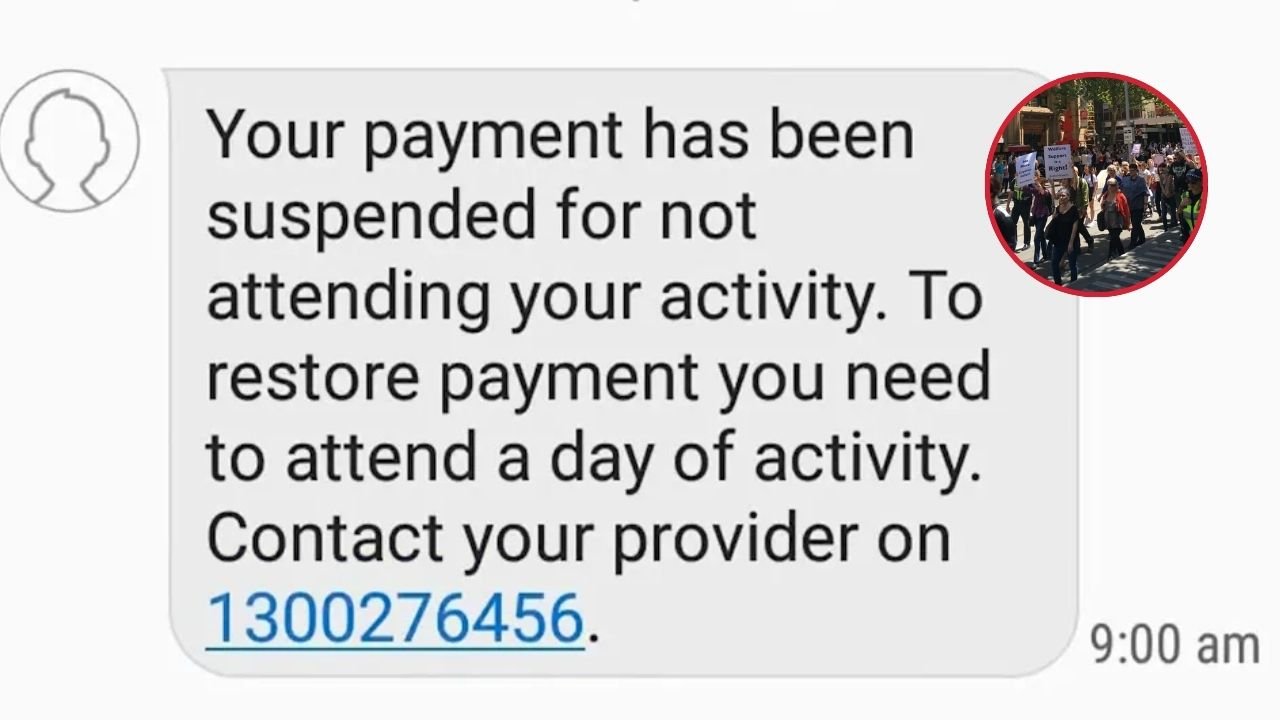
Thousands of Australians receiving Centrelink unemployment benefits could face payment suspensions or cancellations following a major change to the government’s welfare compliance system.
From October 26, 2026, Centrelink has resumed payment cancellation measures under the Targeted Compliance Framework (TCF), affecting job seekers who fail to meet certain compulsory employment requirements.
The decision has triggered strong opposition from welfare organisations, with protests planned across Australia on October 27. Advocacy groups warn that restoring these penalties could leave vulnerable households struggling to afford rent, groceries and other essential expenses.
The changes follow earlier suspensions of compliance penalties after serious problems were identified in the administration of Australia’s employment services system.
What Has Changed?
The Targeted Compliance Framework is used to monitor whether eligible Centrelink recipients meet their mutual obligation requirements while receiving unemployment assistance.
These obligations can include attending employment appointments, searching for suitable jobs, participating in approved activities and accepting reasonable employment offers.
Under the restored arrangements, job seekers may face payment consequences if they fail to comply with certain requirements.
Payments can be cancelled when recipients fail to reconnect with employment services within four weeks or refuse or fail to begin suitable employment, subject to the applicable rules.
Not every missed appointment automatically results in cancellation. The consequences depend on the circumstances, compliance history and relevant administrative requirements.
Why Rules Were Paused
Centrelink payment cancellation measures were progressively suspended during 2024 and 2025 following concerns about unlawful administrative practices.
Investigations identified problems involving automated compliance decisions and inadequate oversight.
The Commonwealth Ombudsman found that nearly 1,000 job seekers had their payments wrongly stopped between April 2022 and July 2024 because of problems associated with the government’s compliance technology.
These findings raised questions about whether payment penalties were being applied correctly and whether affected recipients had sufficient opportunities to explain their circumstances.
The government has now moved to restart cancellation measures, although welfare advocates argue that stronger protections are needed before penalties resume.
Protests Across Australia
Community organisations are preparing demonstrations against the return of Centrelink payment penalties.
Protests are scheduled for Tuesday, October 27, 2026, with gatherings planned in Melbourne and Townsville.
The Melbourne demonstration is scheduled for 12pm AEDT in the CBD, while the Townsville protest is expected to begin at 10:30am AEST.
Participants are calling for the removal of the Targeted Compliance Framework and significant changes to Australia’s employment assistance system.
Several prominent organisations have supported the campaign, including the Australian Unemployed Workers’ Union, Antipoverty Centre, Welfare Rights Centre, Australian Council of Social Service, Economic Justice Australia and National Aboriginal and Torres Strait Islander Legal Services.
Groups Demand Reform
Welfare organisations argue that suspending income support can make it harder for unemployed Australians to secure stable employment.
They are urging the federal government to abolish the TCF and provide back payments and compensation to people affected by unlawful compliance decisions.
Campaigners also want compulsory Work for the Dole arrangements, mandatory volunteering and rigid job-search requirements reconsidered.
Another major demand involves replacing privately operated employment agencies with a nonprofit employment assistance system.
Advocates believe such a model should prioritise helping people find suitable work rather than enforcing financial penalties.
The groups are additionally calling for higher unemployment benefits that better reflect basic living expenses.
Financial Pressure Grows
The return of payment cancellation measures comes during a difficult period for Australians relying on income support.
According to figures cited in the October 26 report, the JobSeeker payment for a single person without children is approximately $416.85 per week.
That amount is substantially below the reported Henderson Poverty Line of approximately $702.72 per week for a single adult.
The difference highlights concerns about whether unemployment payments adequately cover essential living expenses.
For recipients already managing limited budgets, losing even a short period of income could create immediate financial difficulties.
Housing costs, electricity bills, transport expenses and food prices can make it difficult to recover from interrupted payments.
Nearly One Million Affected
The compliance framework applies to a large group of Australians receiving employment-related income support.
Advocacy organisations estimate that nearly one million recipients could be affected by the system, although this does not mean all will have their payments suspended or cancelled.
Economic Justice Australia chief executive Kate Allingham has raised concerns about uncertainty surrounding compliance decisions.
Her organisation argues that recipients need clear explanations, lawful decision-making processes and accessible review mechanisms.
Australian National University Associate Professor Elise Klein has also questioned the decision to restore penalties following earlier findings of unlawful administration.
Meanwhile, Australian Unemployed Workers’ Union representatives maintain that financial punishment does not necessarily improve employment outcomes.
Unemployment Concerns
The policy change arrives as Australia’s labour market shows signs of increasing pressure.
The unemployment rate was reported at 4.7 per cent, its highest level in approximately five years.
Higher unemployment can mean greater competition for available positions, particularly among people facing barriers such as limited transport, disability, caring responsibilities or regional job shortages.
Advocates argue that strict compliance penalties may create additional hardship for people already struggling to find suitable work.
However, the compliance framework is intended to encourage participation in employment services and ensure recipients meet their obligations.
The disagreement centres on whether financial penalties are an appropriate and effective way to achieve those objectives.
What JobSeekers Should Know
Centrelink recipients covered by mutual obligation requirements should regularly check their myGov accounts, employment services messages and scheduled appointments.
Anyone unable to meet a requirement because of illness, caring responsibilities or another significant circumstance should contact their employment services provider or Services Australia as soon as possible.
Recipients who receive a suspension or cancellation notice can ask for an explanation and information about available review rights.
Keeping appointment records, correspondence and evidence of job-search activities may also help resolve disputes.
What Happens Next?
The October 26 restart marks another significant development in Australia’s ongoing debate over welfare compliance.
While the government has restored cancellation measures, advocacy groups are continuing their campaign for legislative and administrative reform.
The demonstrations planned for October 27 will focus attention on payment security, unemployment assistance and the treatment of people receiving government benefits.
For affected Australians, the immediate priority is understanding their obligations and avoiding unexpected payment interruptions.
The central question remains whether the restored Centrelink rules can encourage employment participation without exposing financially vulnerable recipients to further hardship.