
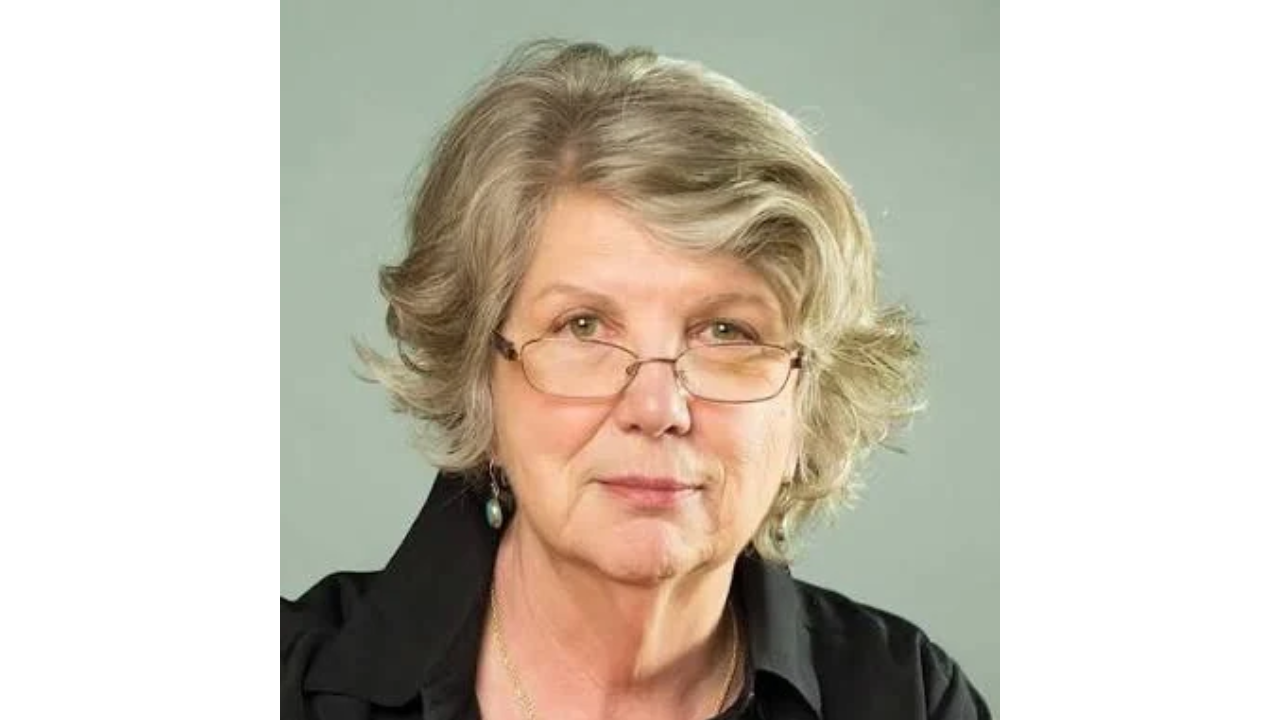
Dr. Marsha M. Linehan, the American psychologist who developed Dialectical Behavior Therapy (DBT), died on November 10, 2026, at the age of 83, according to reports of her passing. Her pioneering research changed the treatment of borderline personality disorder, chronic suicidal behavior, and severe emotional distress. From her own experience as a psychiatric patient to becoming an internationally respected psychologist, Linehan dedicated her career to helping people build meaningful lives while managing overwhelming emotions.
Who Was Marsha Linehan?
Marsha M. Linehan was born on May 5, 1943, in Tulsa, Oklahoma.
She became one of the most influential clinical psychologists of her generation through her work on evidence-based psychological treatments.
Linehan is best remembered for developing DBT, a structured therapy originally designed to help individuals experiencing persistent suicidal behavior and borderline personality disorder.
Her approach challenged the belief that people with severe emotional difficulties were too difficult to treat.
Instead, she emphasized compassion, practical skills, scientific research, and the possibility of meaningful change.
Her work influenced mental health professionals across hospitals, universities, outpatient clinics, and community treatment programs.
Marsha Linehan’s Death
Linehan reportedly died on November 10, 2026, following hospitalization for pneumonia at the University of Washington Medical Center.
She was 83 years old.
News of her passing prompted tributes from psychologists, therapists, researchers, and people who had benefited from DBT.
Her death marked the loss of a major figure in modern psychotherapy.
Throughout her career, Linehan combined rigorous scientific investigation with an understanding of the emotional suffering experienced by psychiatric patients.
Her treatment model continues to be used internationally, ensuring that her professional contributions extend far beyond her lifetime.
Early Life
Linehan grew up in Tulsa before pursuing higher education and eventually entering the field of psychology.
Her teenage years included serious mental health struggles that profoundly influenced her later work.
At 17, she was hospitalized at the Institute of Living in Hartford, Connecticut, where she received intensive psychiatric treatment.
She later described this period as one of extreme emotional suffering.
During her hospitalization, Linehan developed a personal determination to find a way out of that suffering and help others facing similar experiences.
Those early difficulties became an important foundation for her professional commitment to developing more effective psychological treatments.
Education
Linehan earned her Ph.D. in psychology from Loyola University Chicago in 1971.
Her academic training provided the foundation for her research into behavioral therapy, emotional regulation, and suicidal behavior.
She subsequently developed a career combining clinical practice with scientific investigation.
Linehan eventually joined the University of Washington, where she became a professor of psychology.
She also directed the university’s Behavioral Research and Therapy Clinics.
Her research focused particularly on patients whose difficulties had often resisted conventional treatment approaches.
She retired from her university position in 2019 after decades of teaching, research, and clinical innovation.
What Is DBT?
Dialectical Behavior Therapy is a psychological treatment developed by Marsha Linehan that combines behavioral change strategies with acceptance-based practices.
The therapy was initially created for people experiencing chronic suicidal thoughts, self-harming behavior, and borderline personality disorder.
Its central principle involves balancing two ideas: accepting present experiences while working toward healthier behaviors.
Traditional cognitive-behavioral therapy focuses heavily on identifying and changing problematic thoughts and actions.
Linehan expanded this framework by incorporating mindfulness, emotional validation, and acceptance.
DBT typically combines individual therapy, structured skills training, and support for applying those skills in everyday situations.
The treatment has since been adapted for additional mental health conditions and clinical settings.
Four DBT Skills
Linehan’s treatment model emphasizes four major groups of practical skills.
Mindfulness teaches people to observe their thoughts, emotions, and surroundings without immediately reacting.
Distress tolerance helps individuals manage difficult situations without turning to harmful coping behaviors.
Emotion regulation focuses on understanding emotional responses and developing healthier ways to manage them.
Interpersonal effectiveness teaches communication, boundary-setting, and relationship skills.
Together, these areas provide tools for navigating intense feelings and complicated social situations.
DBT does not promise to eliminate emotional pain. Instead, it helps people respond to distress more effectively while pursuing meaningful personal goals.
Radical Acceptance
One of Linehan’s most influential contributions was the concept of radical acceptance.
This approach encourages individuals to acknowledge reality without unnecessary resistance, even when circumstances are painful or disappointing.
Acceptance does not mean approving of harmful situations or abandoning efforts to change them.
Instead, it involves recognizing what has already happened so that a person can make more effective decisions.
Linehan’s understanding of acceptance was influenced by her study of Zen Buddhism.
She trained as a Zen teacher and spent time at Shasta Abbey, a Buddhist monastery.
These experiences helped shape the mindfulness principles incorporated into DBT.
Personal Struggles
In 2011, Linehan publicly discussed her own history of severe psychiatric difficulties for the first time.
Her disclosure attracted considerable attention because she had already become an internationally respected psychologist.
She explained how her experiences as a young psychiatric patient influenced her determination to develop treatments for people experiencing intense emotional pain.
Her story challenged assumptions about the relationship between mental illness and professional achievement.
It also demonstrated how lived experience can inform clinical research when combined with scientific training.
Books and Research
Linehan published her memoir, Building a Life Worth Living, in 2020.
The book describes her personal journey, professional development, and the experiences that shaped DBT.
She also authored influential clinical resources, including Cognitive-Behavioral Treatment of Borderline Personality Disorder and DBT Skills Training Manual.
These publications became important references for mental health professionals.
To support consistent training, Linehan established Behavioral Tech and the Linehan Institute.
She also helped create professional certification standards for DBT practitioners and treatment programs.
Awards and Honors
Linehan received numerous awards recognizing her contributions to psychology and suicide prevention.
In 2012, she received the American Psychological Foundation’s Gold Medal Award for Life Achievement in the Application of Psychology.
She was also honored with the Grawemeyer Award for Psychology in 2017.
In 2025, the American Foundation for Suicide Prevention recognized her with a lifetime achievement research award.
These honors reflected the international importance of her research and its practical applications in mental healthcare.
Lasting Legacy
Marsha Linehan’s greatest achievement was creating a treatment approach that offered new possibilities to people experiencing severe emotional distress.
Her research helped establish that structured, compassionate psychological care could improve outcomes for individuals once considered exceptionally difficult to treat.
Today, DBT is taught and practiced by clinicians around the world.
Her influence extends beyond one diagnosis or treatment setting, shaping broader conversations about emotional suffering, acceptance, and behavioral change.
Linehan’s life also demonstrated the importance of combining scientific evidence with respect for patients’ experiences.
Following her reported death at 83, Marsha Linehan leaves a lasting legacy through DBT, her published research, and the countless clinicians and patients influenced by her work.